
Leave Your Message

Blog

How to Choose the Best Acai Berry Powder Supplier in China?

How to Choose the Best Acai Berry Powder Supplier in China?

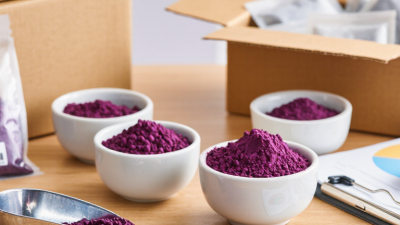
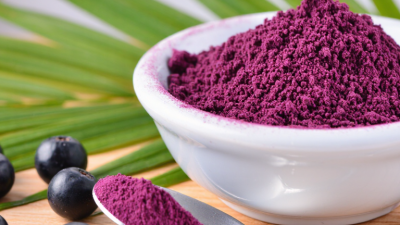
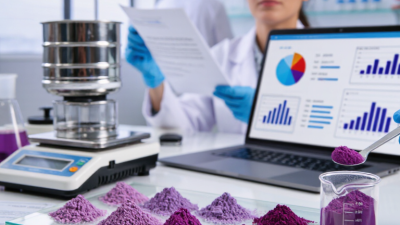
Picking an Acai Berry Powder supplier in China? Honestly, it takes more than just comparing quotes. Sure, the category is getting a lot of buzz lately—but just because the market's growing doesn't mean every supplier's product quality is consistent. Grand View Research’s market analysis does track demand across food, beverage, and supplement applications. That kind of outlook is useful context, but it’s not proof that any given supplier will actually meet your requirements. Make sure you double-check every claim against the actual product records—not just the general ones, but the specific ones for that product. Okay, so first things first—get the actual powder. Don’t just take the label at face value. Ask for the botanical name, where it was grown, how it was processed, the full ingredient list, and a batch-specific certificate of analysis. And when you look at that CoA, check that it actually names the testing methods and the lab that did the work. You also want recent results, not something ancient, covering microbiological quality, heavy metals, and pesticide residues. Then, by all means, compare samples—look at color, aroma, how it flows, and whether it dissolves the way you’d expect. Yeah, that vivid purple is eye-catching and might seem like a good sign, but honestly, appearance alone doesn’t tell you much. Looks can be deceiving. Supplier checks are just as important, honestly. You want to confirm things like manufacturing capabilities, traceability, quality certifications, and export experience. And don’t just take their word for it—ask to see paperwork that’s tied to the actual production site, not some glossy brochure from a trading company. Public trade data like UN Comtrade and China Customs can be useful for spotting patterns, but the catch is that product categories are pretty broad, so you won’t always be able to isolate acai powder specifically. So take shipment totals with a grain of salt—they won’t tell you how a specific factory is actually performing. Honestly, even a tiny omission in a spec can come back to bite you later. And if a price seems way too low, or the answers about sourcing are a bit vague, I'd be suspicious. A supplier worth trusting should be able to tell you exactly what their tests cover—and what they don't—plus what happens if a batch fails. In my experience, that conversation tells you more than any glossy brochure.
Read more »
Maxwell By:Maxwell - November 4, 2026
Who Are the Top Maca Extract Suppliers in China?

Who Are the Top Maca Extract Suppliers in China?

Finding a Maca Extract supplier in China? It’s about more than just comparing prices or browsing slick websites. You really have to dig into the specs, their manufacturing capabilities, and whether they can actually back up their quality claims. A well-written supplier profile is nice and all, but honestly, it’s no substitute for checking things out yourself. Okay, so this overview is really about the practical stuff you can actually check. Things like botanical identity, extraction details, batch consistency, and whether they have certificates of analysis. I also try to look at traceability, sample testing options, how they communicate, and export experience—but only when that info is publicly available. A big one: ask for documents that are specific to the product and batch you're looking at. Don't just settle for a generic company brochure. And double-check that the species, plant part, and extract ratio all line up with what you need. The little details really can make all the difference. You know how some labels sound totally convincing, but then when you actually look closer, they leave out all the important specs? Yeah, it's like they're saying all the right things without really saying anything useful. Look, supplier rankings aren’t set in stone—and honestly, online info can be incomplete or flat-out outdated. So when we say “top,” treat it as a place to start comparing, not a promise that they’re great or even a good fit. No checklist is going to catch every hidden issue. You’ll still want to ask for current documents, verify business details on your own, and test samples before you commit. Yeah, it’s less flashy than just handing out a winner, but it’ll actually serve you better. If you're checking out Chinese suppliers, this is super helpful for comparing them with realistic expectations—and for figuring out which questions are actually worth asking before you commit to a long-term order.
Read more »
Maxwell By:Maxwell - November 1, 2026
7 Aronia Powder Buying Tips for Global Buyers

7 Aronia Powder Buying Tips for Global Buyers

When you're sourcing Aronia Powder for international supply chains, it's not just about comparing prices and eyeballing sample colors. That deep purple hue might look pretty, but it doesn't actually tell you if the ingredient is what it claims to be, or if it's fresh, or even consistent from batch to batch. Honestly, you need clear specs and proper documentation you can dig into. So, there's this Polish food scientist, Dr. Iwona Wojdyło, who has done a lot of research on aronia berries and what's inside them. I mean, her work gives us a good background on that fruit. But I gotta be honest—I can't really confirm any specific quote from her about buying the powder. So I won't pretend she said something. Anyway, a simple rule of thumb when you're sourcing this stuff: always ask for the test report before you trust the color. It's plain advice, but it's still worth keeping in mind. So, here's the thing—when it comes to what actually makes people hit "buy," it's the little stuff. I'm talking about the plant species, how it was processed, moisture levels, particle size, packaging, certificates, and how the supplier communicates. One thing I always do? Ask for a recent certificate of analysis, then actually compare those numbers to the spec. And don't skip the physical bag—check the inner liner, lot code, and seal. Yeah, it sounds fussy, but these tiny details matter once your cartons sit in humid ports or hang around in storage. Let’s be honest—no checklist is perfect. Sometimes a supplier gets back to you fast but their docs are a bit vague. Other times they take a while because they’re actually clarifying a technical detail. That kind of thing deserves a pause, not an automatic “next.” When you do compare samples, try to do it under the same conditions, jot down what you see, and get any important promises in writing. This guide is really about helping global buyers ask smarter questions and avoid nasty surprises before hitting that order button.
Read more »
Charlotte By:Charlotte - October 29, 2026
2026 Top Ashwagandha Extract Suppliers for Global Buyers?

2026 Top Ashwagandha Extract Suppliers for Global Buyers?

If you're a global buyer stepping into the 2026 botanical ingredients market, let's be honest—good pricing alone isn't going to cut it. These days, Ashwagandha Extract suppliers are really competing on things like traceability, testing, extraction know-how, and solid documentation. And the best ones? They can actually show you where every root was grown, how it was processed, and where it was stored. You know that line from Dr. Tieraona Low Dog, the integrative medicine physician? 'Natural doesn't always mean safe.' It's a good one, and honestly, it still matters a lot for international procurement teams. When you're evaluating a supplier, don't skip the basics: identity testing, pesticide screening, heavy-metal analysis, microbiological results, and batch-specific certificates of analysis. And yes, buyers should also look at the plant parts used for Withania somnifera, what solvents were used for extraction, how it's standardized, and whether there's solid shelf-life evidence. Look, a slick website doesn’t really prove much. In this guide, we’re taking a closer look at some of the leading Ashwagandha Extract suppliers that work with global buyers in 2026. We’ll weigh things like manufacturing capacity, quality systems, private-label support, delivery performance, and how well they communicate. If a supplier has cGMP-aligned facilities and uses independent lab testing, that’s definitely worth paying more attention to. But let’s be honest — certification by itself doesn’t solve everything. A certificate can be perfectly valid, sure, yet the testing it covers might still be pretty narrow. Honestly? The market isn't exactly transparent. You'll see some suppliers throw out impressive percentages, but they don't always explain how they got them. Others are super quick with samples, yet the long-term documentation is... not great. And that gap? It matters. So as a buyer, it's worth asking for recent batch records, allergen statements, stability data, and solid regulatory support for wherever you're selling. Requirements can vary by region—that's just how it is—and good suppliers know that and don't pretend otherwise. Look, no ranking is ever going to replace doing your own homework. That said, a structured comparison can still help lower your sourcing risks. The overview below is meant to help procurement managers spot credible partners, ask sharper questions, and avoid making decisions based only on price or flashy marketing talk.
Read more »
Charlotte By:Charlotte - October 24, 2026
Top Powder Moringa Suppliers for Global Buyers

Top Powder Moringa Suppliers for Global Buyers

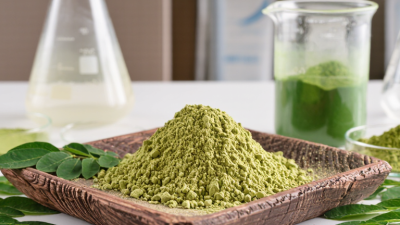
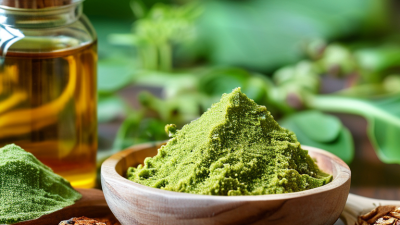
Top Powder Moringa Suppliers for Global Buyers should be judged beyond price, packaging, and attractive claims. Moringa Oleifera Powder can vary widely in color, taste, moisture, and nutrient consistency. Agricultural origin matters. So does processing. Grand View Research and Mordor Intelligence identify expanding demand for moringa-based food, beverage, and wellness products. However, their market estimates differ. That gap deserves attention. Industry data remains fragmented across regions, product forms, and reporting methods. The Centre for the Promotion of Imports, an agency of the Dutch Ministry of Foreign Affairs, also highlights traceability and European buyer requirements for botanical ingredients. These reports support market potential, but they do not validate every supplier. Scientific credibility matters more than market excitement. Johns Hopkins researcher Dr. Jed W. Fahey wrote, “Moringa oleifera is a highly valued and versatile plant.” His peer-reviewed review also emphasizes the need for stronger clinical evidence. That caution should guide global purchasing decisions. Reliable suppliers should provide batch-specific Certificates of Analysis, botanical identification, microbiological testing, heavy-metal screening, pesticide results, and moisture data. Buyers should confirm whether the powder comes from leaves, seeds, or mixed plant materials. Those differences affect safety, flavor, and commercial use. Organic certification may help, but it cannot replace laboratory verification. Look for documented farms, controlled drying, sealed inner liners, and lot-level traceability. Ask about storage temperature and shelf life. Small details reveal operational maturity. Not every supplier will answer clearly. That is a warning sign. Even experienced buyers can overlook seasonal variation or inaccurate labeling. A careful comparison of Powder Moringa suppliers protects product quality, customer trust, and long-term market credibility.
Read more »
Maxwell By:Maxwell - October 20, 2026
Top Green Coffee Bean Extract Suppliers for Global Buyers

Top Green Coffee Bean Extract Suppliers for Global Buyers

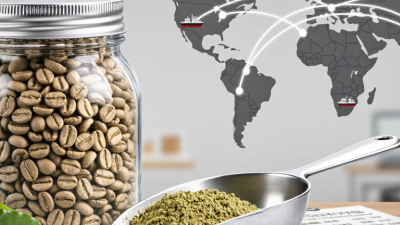
Green Coffee Bean Extract isn’t just a niche botanical anymore. It’s become a pretty carefully checked part of functional food and supplement supply chains. USDA’s Foreign Agricultural Service expects global coffee production to hit around 176.2 million 60-kilo bags in 2024/25. That’s a lot of opportunity—but it also puts more pressure on things like origin verification, steady chlorogenic acid levels, and responsible processing. The International Coffee Organization says coffee helps support roughly 125 million people worldwide, and many of them are smallholder farmers. That human side really matters when buyers are comparing suppliers. A solid supplier should hand over batch-specific certificates of analysis, pesticide tests, microbiology results, heavy-metal screening, and clear traceability from farm to finished extract. GMP, HACCP, ISO 22000, and legally compliant labeling should back those claims up—not replace them. Dr. Joe Vinson, a chemistry professor at the University of Scranton, once said, 'Green coffee extract can be a safe, effective, inexpensive way to lose weight,' in comments tied to an American Chemical Society study. That’s a notable statement, but it shouldn’t be turned into a universal health promise. The evidence varies, and responsible suppliers steer clear of over-the-top claims. Grand View Research and other market analysts keep pointing to botanical extracts as a growing ingredient category, though estimates shift depending on how you define the product. That inconsistency is worth paying attention to. A polished website? It’s not proof of reliability. This guide looks at leading Green Coffee Bean Extract suppliers through documentation, manufacturing experience, testing transparency, product consistency, and practical export readiness. Ranking suppliers is never perfect, but careful evidence can make purchasing decisions a lot more defensible.
Read more »
Maxwell By:Maxwell - October 16, 2026
2026 Best Urolithin A Benefits for Global Buyers?

2026 Best Urolithin A Benefits for Global Buyers?

Global buyers are taking a closer look at Urolithin A Benefits as interest in science-backed longevity products keeps rising. Grand View Research pegged the global dietary supplements market at USD 177.5 billion in 2023, and it's expected to keep growing through 2030. That's great news for opportunity—but it also means buyers are raising the bar. A big market doesn't automatically equal clinical proof. Urolithin A is a gut-derived metabolite tied to mitophagy, which is basically the cell's way of clearing out damaged mitochondria. Some early human research—including randomized trials in Nature Metabolism and JAMA Network Open—has looked at muscle endurance, mitochondrial biomarkers, and healthy aging outcomes. The findings are promising, though not definitive. Sample sizes are still small. And that matters. For international procurement teams, solid evidence should sit right next to commercial data. Buyers should ask for identity testing, assay results, heavy-metal screening, microbiological controls, stability info, and batch-specific Certificates of Analysis. GMP manufacturing and clear traceability are worth paying attention to as well. Suppliers like Amazentis have helped push branded urolithin A research forward, while independent manufacturers might offer different specs and documentation. Regulations? They vary by market. Something accepted as a dietary supplement in one country might need a different classification somewhere else. So buyers should check local requirements with qualified regulatory professionals—and not just trust a sales brochure. Real-world performance can be different, too. This introduction will look at Urolithin A Benefits through clinical evidence, formulation quality, sourcing risks, and what buyers may expect in 2026. It'll also push back on exaggerated claims, because promising science still needs bigger, longer, and more diverse studies.
Read more »
Alexander By:Alexander - October 11, 2026
How to Choose the Best Pomegranate Powder Supplier

How to Choose the Best Pomegranate Powder Supplier

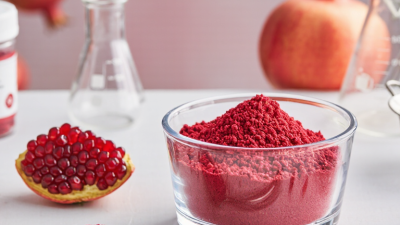
Finding a solid Pomegranate Powder supplier isn’t just about who offers the lowest price per kilo. The real quality story starts with where the fruit comes from, how it’s dried, what processing controls are in place, and how it’s stored afterward. Grand View Research and Mordor Intelligence both point to steady growth in the global pomegranate market, driven by functional foods, dietary supplements, and natural colors. Their numbers don’t always match, though—that’s because they define product categories and regions differently. And that gap matters. At the end of the day, a supplier’s marketing claims should never take the place of hard, verifiable evidence. So what should you look for? Suppliers who can give you a full Certificate of Analysis for every lot. It should spell out moisture, microbiological results, pesticide residues, heavy metals, and active compounds where those are relevant. Ask if the facility runs on HACCP, ISO 22000, or an equivalent food-safety system. But don’t stop at certificates—they’re not enough on their own. Check audit dates, lab accreditation, and traceability from orchard to finished powder. USDA FoodData Central can be a useful reference for nutritional expectations, but it won’t replace testing the actual material you buy. Honestly, real-world experience often tells you more than any brochure. Ask for a retained sample, look at the color, smell it, and test how well it disperses in water. Find out what carrier is used, if any—maltodextrin, for example, can affect labeling and formulation performance. Talk with the supplier’s technical team about harvest season, packaging, shelf life, and shipping conditions. No supplier is perfect. A polished website can still hide weak batch control. On the flip side, a smaller company like NutraSource Ingredients might give you clearer communication and better lot documentation. The smart move is to balance data, sensory results, compliance, and honest conversation before you sign anything.
Read more »
Maxwell By:Maxwell - October 7, 2026
What Is Acai Berry Powder and What Are Its Benefits?

What Is Acai Berry Powder and What Are Its Benefits?

You know that Acai Berry Powder? It’s made from the deep-purple fruit of the acai palm, which is usually harvested in the Amazon. The folks who produce it usually freeze-dry the pulp or dry it some other way, then grind it into a really fine powder. The taste? It’s got a pretty tart, earthy flavor that can actually stain your spoon or smoothie bowl—so be careful! It’s super handy to add to your smoothies, yogurt, or oats, but keep in mind that not all brands are exactly the same. Differences in how they process it, whether they add extra sugar, or the serve size all vary from one product to another. Now, acai is packed with anthocyanins—these are the plant pigments that have antioxidant properties—plus fiber and other nutrients. That’s what makes this powder such an interesting ingredient, though it’s worth noting that it’s not a miracle cure or anything. Marion Nestle, a nutrition professor, once said, “There is no such thing as a superfood,” which is a good reminder to keep things in perspective. A small scoop can add some nice color and flavor to your food, yeah, but it’s not a substitute for eating a balanced, varied diet. When shopping for acai powder, it’s a good idea to check out the ingredient list, serving size, and nutrition facts. Some powders are simply pure acai, while others might have added sugar or extra fruit. Also, keep in mind that research on whole acai fruit doesn’t always tell us what the effects of a particular powdered product will be—it’s easy to miss that distinction. So, in this little guide, we’ll look at what Acai Berry Powder is, what nutrients it could offer, and where the research still isn’t conclusive.
Read more »
Alexander By:Alexander - September 28, 2026
How to Choose the Best Lychee Powder for Your Business?

How to Choose the Best Lychee Powder for Your Business?

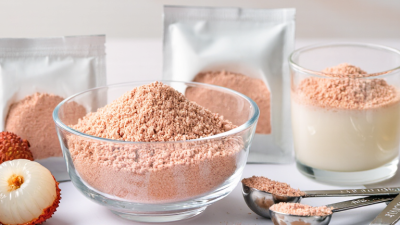
Picking out the best Lychee Powder isn’t just about comparing price tags or drooling over a bright pink sample. You really have to dig deeper—think about where the fruit comes from, how it’s processed, moisture content, solubility, aroma, color stability, and how well it holds up in packaging. I’ve seen plenty of powders that smell amazing in a tiny cup but then lose that freshness once mixed into a protein shake, tea bag, or pastry filling—that’s the kind of difference that actually counts. Dr. S. K. Sharma, a pro in food processing who specializes in fruit ingredients, always says, “The best powder isn’t necessarily the brightest; it’s about consistent performance in the final product.” Honestly, that kind of advice should be your guiding light when you're making a purchase. Don’t just take a supplier’s word for it—ask for a current Certificate of Analysis, microbiology reports, ingredient lists, allergen info, and storage instructions. Also, keep an eye out for things like maltodextrin, added sugars, or other carriers—it might seem minor, but these can really change the flavor, the label, the price, and what your customers expect. And definitely test out real samples yourself. Mix them with the actual products you plan to use them in. Pay attention to how the color looks after heating, chilling, and storing. See how quickly the powder dissolves in your mix. Sometimes, a supplier might look amazing on paper, but their batches can be all over the place—that’s a red flag. Better to be cautious. Before committing to a big order, ask for samples from different batches—companies like Golden Orchard Ingredients or Fresh Origin Foods are good places to start. Compare how fast they deliver, minimum order sizes, traceability, and how easy they are to get hold of. Reliable supply is often more important than just a slightly lower price. In the end, your choice should hang on a mix of flavor, technical performance, thorough documentation, and trustworthiness. No powder’s perfect—so doing some careful testing upfront can really show you what’s hidden behind a glossy brochure.
Read more »
Charlotte By:Charlotte - September 23, 2026
Top Asian Ginseng Root Extract Suppliers and Manufacturers

Top Asian Ginseng Root Extract Suppliers and Manufacturers

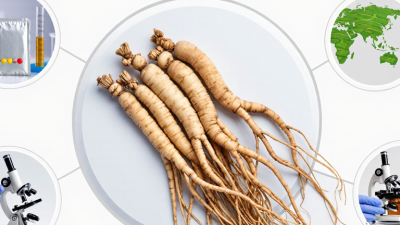
Asian Ginseng Root Extract is still a pretty popular ingredient used in all sorts of things—think functional foods, supplements, drinks, and personal care products. But, honestly, its quality isn’t just about where the root comes from or how fancy the packaging looks. If you're shopping around, it’s really worth digging into details like botanical ID, ginsenoside levels, how they extract it, and whether each batch is consistent. This guide sheds some light on top Asian Ginseng Root Extract suppliers and what you should look for when buying. Good producers tend to provide certificates of analysis, allergen info, microbiological test results, and traceability records—stuff that helps you feel more confident in your choice. Their manufacturing sites should also follow solid quality standards like GMP or ISO protocols. Keep in mind, these documents aren’t the whole story—they’re just a helpful starting point. Doing your own verification never hurts. Always remember, quality starts right at the farm. Reputable manufacturers will openly share info about where they grow their ginseng, when they harvest it, how old the roots are, and how they store it. They should also tell you what kind of processing they use—water, ethanol, or other approved methods. And don’t just go based on words like “standardized extract”—different suppliers might mean different things here. A high percentage of ginsenosides doesn’t automatically mean it’s better or fits every purpose. The best suppliers are transparent and responsive. They can talk about things like particle size, solubility, color, smell, packaging options, shelf life, and minimum order quantities. But heads up—things like price, certifications, production scale, and test results aren’t set in stone. These can change over time, so always keep that in mind. The goal here is to help you make smarter choices when sourcing. It’s a good idea to ask for up-to-date documentation, sample products, and support with technical questions before closing a deal. Taking the time to compare your options carefully can save you surprises later and set you up with more reliable, long-term supplier relationships.
Read more »
Charlotte By:Charlotte - September 18, 2026
Top 10 5 Hydroxy Tryptophan Suppliers Worldwide

Top 10 5 Hydroxy Tryptophan Suppliers Worldwide

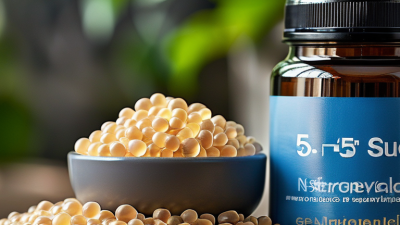
The global market for 5 Hydroxy Tryptophan is really booming, especially in dietary supplements, wellness products, and specialized nutrition. But here’s the thing—quality from different suppliers can vary a lot. Products might look pretty similar on the label, but behind the scenes, they can be quite different — from how they're extracted to their purity levels and testing records. Dr. Michael Murray, a well-known naturopathic doctor and nutrition writer, calls 5 Hydroxy Tryptophan "a direct precursor to serotonin." That’s part of why it’s so popular commercially, but it’s definitely not a reason to skip your due diligence. Good-quality suppliers should be willing to share up-to-date Certificates of Analysis, batch details, contaminant screening results, and clear info about how they make their products. Solid documentation really counts. In this article, I’ve rounded up ten pretty reputable 5 Hydroxy Tryptophan suppliers around the world—companies like NOW Foods, NutraBio, Gnosis by Lesaffre, and AIDP. I looked at things like ingredient consistency, how transparent they are about production, overall quality systems, their technical support, and whether they can supply internationally. Smaller details matter too—things like sealed drums, easy-to-read lot codes, storage conditions that control humidity, and how responsive their quality teams are. Now, I gotta say—the market isn’t perfectly transparent. Some claims suppliers make can change over time, and sometimes public info is kinda incomplete. So, it’s really worth doing your own homework. Never rely solely on rankings; always verify things independently, especially if you're comparing bulk ingredients or finished products. Make sure to check current certifications, regional standards, stability data, and testing details before you decide to buy. My goal here is to help you make smarter sourcing choices, not to encourage careless purchasing. Stay informed, and don’t hesitate to dig a little deeper before making decisions.
Read more »
Alexander By:Alexander - September 12, 2026
Why Is Vitamin B12 Important?

Why Is Vitamin B12 Important?

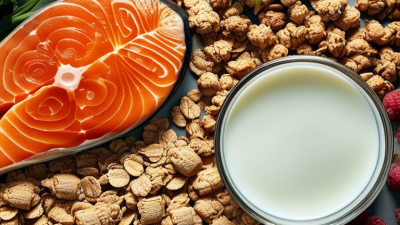
Vitamin B12 plays a pretty important role in our bodies. It helps make red blood cells, keeps our nerves functioning smoothly, and is essential for producing DNA. If you don’t get enough of it, your body might have a tough time delivering oxygen properly—think of it like trying to fuel a car with the wrong kind of gas. Some folks look up “Vitamin 12b,” but officially, the name is just Vitamin B12. To keep things simple and avoid confusion, this guide mentions both terms. You can find Vitamin B12 naturally in foods like salmon, eggs, milk, yogurt, and beef. If you're vegetarian or vegan, breakfast cereals that are fortified with B12 can be a good option too. But here’s the thing—your body doesn’t automatically absorb all of it just because you ate some. Things like stomach issues, certain medications, and even getting older can mess with how much your body actually uses. The signs of deficiency tend to sneak up slowly—things like feeling unusually tired, pale skin, numb fingers, balance troubles, or a sore tongue. Just a heads-up, these symptoms can be caused by other issues, so it’s not a good idea to guess what's going on. That’s why getting reliable health info is super important. Organizations like the National Institutes of Health and the NHS explain what B12 does and suggest getting tested if you think you might be deficient. A doctor can look at your symptoms, check your diet and meds, and review your blood work to figure out what’s really going on. Sometimes, supplements can help, but more isn’t always better—finding the right type and amount depends on your personal needs. Also, keep in mind, nutrition advice might sound simple, but real-life diets are often pretty complex. Missing breakfast occasionally is different from years of restricted eating. This article dives into why B12 is important, who’s at risk of deficiency, and how making smart food choices along with professional testing can help you make better, safer decisions about your health.
Read more »
Alexander By:Alexander - September 9, 2026